
What Happens to Your Car After a Crash in Orlando
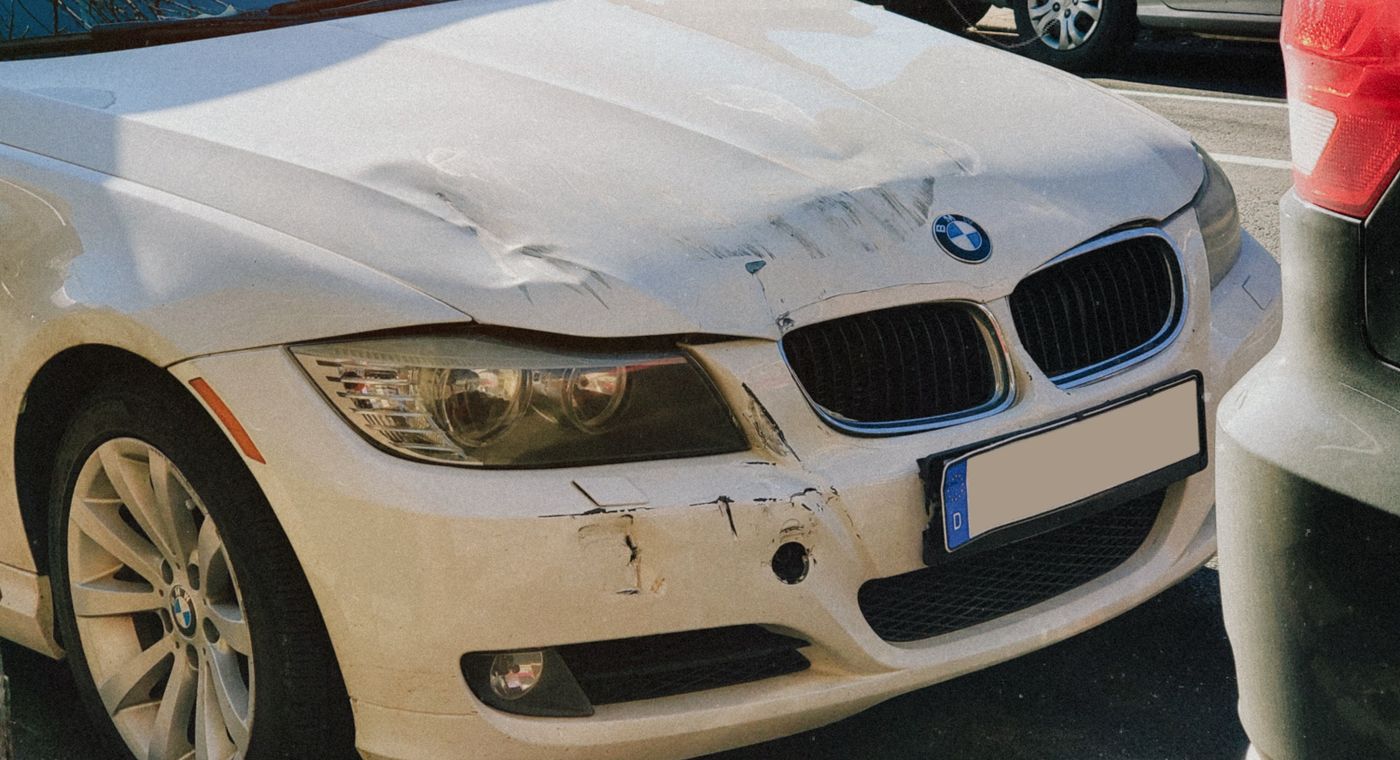
A rear-end tap at a light on Colonial Drive and a sideswipe merging onto I-4 downtown end the same way for most Orlando drivers: a bent car, traffic streaming past, and no clear sense of what comes next. What happens to your car after an accident is a sequence, not a mystery. Someone decides whether it moves, someone decides whether police respond, someone calls a tow truck, and that truck takes the car somewhere specific. Here is that sequence in the order you will meet it, under the Florida rules that apply in Orange County.
Should You Move Your Car Out of the Travel Lane After a Crash?
Move it, if it still rolls and nobody is hurt. Section 316.061 requires you to stop immediately at the scene, then adds that “every stop must be made without obstructing traffic more than is necessary, and, if a damaged vehicle is obstructing traffic, the driver of such vehicle must make every reasonable effort to move the vehicle or have it moved so as not to block the regular flow of traffic.” Holding a live lane until a patrol car arrives is not the safe option, and it is not what the law asks of you.
The common worry, that moving the car concedes fault, is answered in the same section: a driver who has removed a vehicle from the main traveled way “shall not be considered liable or at fault regarding the cause of the accident solely by reason of moving the vehicle.” If it is safe, photograph the resting positions and lane markings first, then clear the lane. Through the rebuilt I-4 corridor downtown and along stretches of SR 408, usable shoulder is narrow, so the next exit ramp often beats the edge line.
When Does Florida Require You to Call the Police?
Call law enforcement when anyone is injured or killed, or when the crash appears to have caused at least $2,000 in property damage. Florida Statute 316.065 sets that bar — “damage to any vehicle or other property in an apparent amount of at least $2,000” — and requires the driver to “immediately by the quickest means of communication give notice of the crash.” Who you notify depends on where the wreck happened: the local police department if it is inside a municipality, otherwise the county sheriff's office or the nearest Florida Highway Patrol station.
So an Orlando city street puts you with Orlando Police, a crash in unincorporated Orange County goes to the Orange County Sheriff's Office, and I-4, Florida's Turnpike, SR 417 and SR 429 are Highway Patrol ground. If the damage falls under the threshold and no officer writes a report, you are still not finished: the state's driver report of traffic crash form has to be submitted within 10 days, by email or mail. Judge the dollar figure carefully before deciding you are below it, because a bumper cover on a late-model car carries parking sensors, cameras and radar brackets.
This article is general information about crash procedure and towing in Florida. It is not legal advice, and it does not replace the instructions of the officer working your scene.
What Do You Have to Exchange at the Scene?
At minimum, Florida law requires you to give the other driver your name, your address and the registration number of your vehicle, and to show your driver license on request. That short list rarely settles anything, which is why the state's form doubles as a driver exchange of information sheet. Work through its fields while you are still standing there and you will leave with what an adjuster or a body shop asks for later.
- Year, make, body type, license plate and VIN for every vehicle involved
- Insurance company and policy number for each driver
- Owner and driver names, addresses and phone numbers, which are not always the same person
- Names and contact details for passengers and for any witness who stops
- Photos of both plates, the insurance card, each damaged panel, and the wider scene before anything moves
Scene cleared but the car is not driving away? Towing Orlando Service sends a truck any hour, anywhere in Orange County.
Call (407) 250-8672Who Calls the Tow Truck, and Can You Choose Your Own?
When an officer is working the scene and your car cannot be driven away, the officer normally dispatches a wrecker from a rotation list, and that call also decides where the car goes. When you are off the roadway, safe and free to make the call yourself, you choose the operator — and the destination. That second part is what most people miss. A tow with a destination named runs straight to the body shop, the dealership or your driveway; one without ends at the operator's storage yard, where the daily meter starts.
While you sort that out on a freeway, the FDOT Road Ranger service patrol covers central Florida's freeways at no cost to drivers. Road Rangers remove disabled vehicles from travel lanes, set up traffic control around a scene and will make two complimentary local calls for a stranded motorist; they answer at *347 from a mobile phone. They are no replacement for a wrecker, but they can clear you out of a live lane on I-4 while you wait. Once the scene is clear and the car is not rolling anywhere on its own, that is the point where an emergency towing call makes sense, and Towing Orlando Service covers Orlando and the surrounding Orange County roads around the clock.
Where Does a Wrecked Car Go After an Accident, and What Does Storage Cost?
A car towed on an officer's call generally goes to the responding operator's storage yard; a car you dispatch goes exactly where you send it. Storage is billed by the day and starts the day the vehicle arrives, so the largest single variable in the final bill is how long it sits before somebody with authority moves it. Open the insurance claim the same day, and give the adjuster three things: the yard's name and address, the tow invoice, and written authorization to release the vehicle.
Get your belongings out early. Registration and insurance paperwork from the glovebox, the toll transponder off the windshield, a garage remote, a child seat, whatever is in the trunk — yards keep business hours, and a total loss can move on to a salvage facility with little warning. Who ultimately pays the towing and storage depends on your coverage and on how fault is assigned, which is a conversation with your insurer, not the driver who hooked the car.
Why Does a Damaged Car Ride on a Flatbed?
Collision damage usually takes a wheel out of service, and a wheel that will not roll straight cannot be towed with two tires on the pavement. A bent control arm, a cracked wheel, a seized hub or damaged steering linkage all mean the car has to be carried rather than pulled. A flatbed winches the vehicle up the deck on its own tracks, so nothing has to steer or roll under its own geometry.
Drivetrains add a second reason. All-wheel-drive and four-wheel-drive vehicles can damage a center differential or transfer case when two wheels turn while the others stand still, and an electric vehicle should not have its driven wheels rolling on the road, because that spins the motor. Then the practical side: loose glass, fascia pieces and fluid stay on the deck instead of on the highway behind you. That is why most post-crash calls go out as flatbed towing rather than a wheel-lift, even for a car that still looks mostly intact.
Frequently Asked Questions
Do I have to call the police for a minor fender bender in Orlando?
Only when someone is injured or killed, or when apparent property damage reaches at least $2,000. Below that, with no officer on scene, Florida still expects a written driver report of the crash to reach the Department of Highway Safety and Motor Vehicles within 10 days. Skipping both leaves no official record, which becomes a problem if the other driver's account changes later.
Can I move my car after a crash without admitting fault?
Yes. The crash statute states that a driver who removes a vehicle from the main traveled way is not considered liable or at fault for the accident solely by reason of moving it. Photograph the resting positions first if it is safe, then clear the lane. Holding a live lane to preserve the scene creates a second crash risk.
Can I choose my own tow company after an accident?
When you are safely off the roadway and placing the call yourself, yes — you pick the operator and you name the destination. When an officer needs a lane cleared in a hurry, the officer calls a wrecker from a rotation list and that decision stands at the scene. You still control where the car goes next, once you and your insurer deal with the yard.
Where will my car be taken after a crash in Orlando?
If a responding officer dispatched the tow, the car normally goes to that operator's storage yard and stays there until someone authorizes its release. If you dispatched the tow, it goes wherever you directed: a body shop, a dealership service lane, or home. Ask the driver for the destination address and the company's phone number before the truck pulls away.
How do I keep storage fees from piling up?
Storage is charged per day from the day the vehicle arrives, so the only lever you really control is speed. Open the claim immediately, give your adjuster the yard's name and address along with the tow receipt, and send written authorization to release the car. If the insurer is slow, ask whether you may move the vehicle to a repair shop yourself in the meantime.