
What to Do If Your Car Overheats on I-4 in Orlando
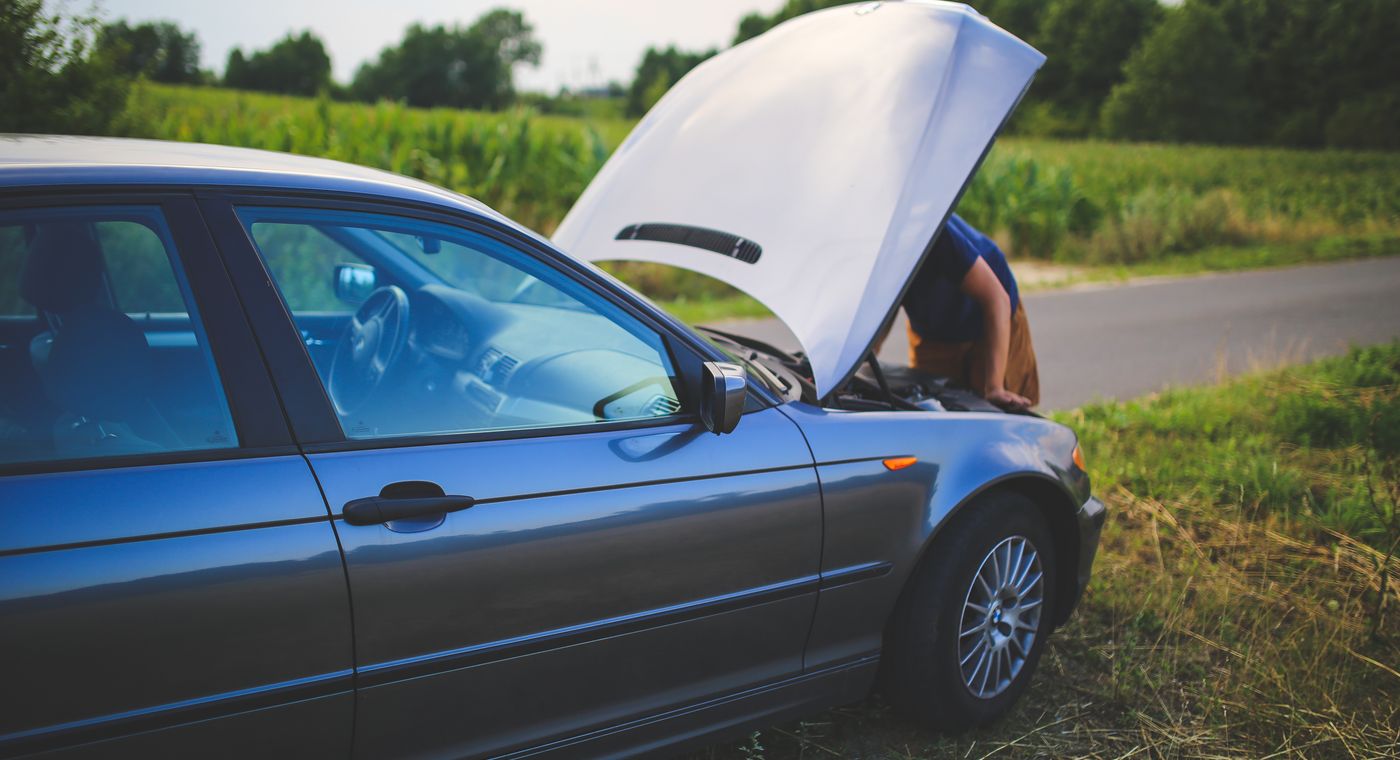
You're crawling east on I-4 near downtown Orlando, the AC is losing its fight with the afternoon sun, and the temperature needle is drifting toward the red. Knowing what to do if your car overheats in that moment, before the engine starts steaming, is the difference between a cheap afternoon and a cracked cylinder head. Central Florida runs hot from May well into October, with highs in the 90s and stop-and-go traffic that gives a struggling cooling system nowhere to dump heat. This guide walks through the exact steps, in order, to protect your engine and get off the road safely in Orlando and across Orange County.
Key Takeaways
- Turn off the AC and turn the cabin heater to full hot to pull heat away from the engine.
- Never open the radiator or coolant cap on a hot engine; pressurized coolant can cause serious burns.
- Get the car onto a safe shoulder or exit before the engine seizes, and switch on your hazards.
- Cooling-system failure is a leading cause of breakdowns, so low or old coolant is usually the culprit.
- Florida's Move Over Law protects your disabled car, but only once your hazard lights are on.
- If steam is pouring out or the gauge stays pinned after you stop, call for a tow instead of restarting.
Why Cars Overheat So Often in Orlando
Cars overheat when the cooling system cannot move heat away from the engine fast enough, and Orlando's climate stacks the deck against it. Long summers, thick humidity, and stop-and-go traffic on I-4 and the SR 408 East-West Expressway leave a hot engine idling with little airflow through the radiator. The nonprofit Car Care Council notes that cooling-system failure is a leading cause of vehicle breakdowns, and urges drivers to check coolant frequently and change it on the schedule in the owner's manual.
The usual suspects are low or old coolant, a failing water pump, a stuck thermostat, a clogged radiator, or a dead cooling fan. Any one of them turns a routine commute into a roadside stop. Afternoon thunderstorms may cool the air for a few minutes, but they do little for pavement that has been baking all day, so the risk holds from late morning through the evening drive.
Warning Signs Your Engine Is Overheating
An engine almost always warns you before it boils over, so knowing the signs buys you the time to react. The clearest one is the temperature gauge climbing past its normal center mark, but there are others you can catch even sooner if you know what to watch and smell for.
- The temperature gauge creeping toward the red or a red temperature warning light coming on.
- Thin steam or vapor rising from under the hood, which means coolant is already boiling.
- A sweet, syrupy smell in the cabin, a sign of leaking coolant.
- The air conditioning suddenly blowing warm as the system sheds load.
- A ticking or knocking noise, or noticeably weaker acceleration.
First Moves the Moment the Needle Climbs
The instant you see the temperature gauge rise or a warning light flick on, turn off the air conditioning and turn the cabin heater to full hot. It feels miserable in July, but the heater core acts as a second radiator, pulling real heat out of the engine and into the cabin where it can escape. That single move buys you time to find a safe place to stop.
Next, ease off the accelerator and stop riding the brakes, which only adds load and heat. If you are stuck in bumper-to-bumper traffic on I-4, shift into neutral at a full stop and gently raise the idle for a few seconds to spin the water pump and fan faster. Do not keep creeping forward in a tight pack; leave room so you can angle toward the shoulder the moment one opens up.
Steam on the shoulder and no way to cool it down? Get a truck rolling to your spot.
Call (407) 250-8672How to Get Off a Busy Highway Safely
Pull as far onto the right shoulder as you can, or take the nearest exit, and get the car completely clear of live lanes before it dies on you. Shoulders on I-4, the SR 408 East-West Expressway, and SR 417 are narrow and fast, so distance from traffic is everything. Switch on your hazard lights the second you slow down.
Those hazards do more than warn drivers; they trigger legal protection. Florida's Move Over Law (Statute 316.126) now requires approaching drivers to vacate the nearest lane on a multi-lane highway, or slow to 20 mph below the posted limit, for a disabled vehicle displaying warning or hazard lights. Once you are stopped, exit through the passenger side away from traffic and wait behind the guardrail, never in the car on the shoulder of a highway.
What to Do Once You Are Stopped (and What Not to Touch)
Shut the engine off, pull the hood release from inside, and then wait; do not open the radiator or coolant reservoir cap while everything is hot. The cooling system is pressurized, and a hot cap can spray scalding coolant and steam the moment it cracks loose. Give the engine at least 20 to 30 minutes to cool before you go near the cap.
Never pour cold water over a hot engine block or into a hot radiator. The sudden temperature swing can crack the block or warp the head, turning a simple overheat into a major repair.
Once things have cooled, check the coolant reservoir level. If it is low and you carry coolant or water, topping it off may let you limp to a shop, but only after the engine is cool and only if there is no visible leak. A sweet smell or a puddle under the car means coolant is escaping, and driving on will finish the job the heat started.
Check Conditions Before You Roll Again
Before you pull back into traffic, confirm the temperature reads normal and check that the road ahead is not a parking lot. Merging a marginal engine back onto a fast highway is a gamble, and crawling in heavy traffic is exactly what caused the problem the first time. Florida's official traffic service, FL511, shows real-time conditions, crashes, and construction across Central Florida, and you can reach it online or by dialing 511 to pick a clearer route or a nearer exit.
If the temperature climbs again within a few minutes of restarting, stop for good. A second overheat in the same trip almost always means the coolant is gone or a component has failed, and no amount of nursing it will get you home safely.
Prevent the Next Orlando Overheat
Most Orlando overheats trace back to coolant that is low, old, or leaking, so summer prevention starts under the hood. The Car Care Council recommends checking coolant level often and replacing it on the manufacturer's schedule, and it is worth having the radiator, hoses, and water pump inspected before the worst of the heat arrives.
Heat punishes tires, too. The National Highway Traffic Safety Administration warns that sustained high temperatures, such as long drives in hot weather, can degrade a tire and lead to blowouts and tread separation, and it calls proper inflation the single most important part of tire maintenance. Keep a jug of coolant or water, a phone charger, and a basic kit in the car through the summer, and keep an eye on the gauge in July and August traffic.
When to Stop Driving and Start Calling
The one rule that saves engines is simple: do not gamble a whole motor to save a tow. If the gauge will not come down, steam is showing, or coolant is on the ground, the smart move is to shut it off and have the car hauled to a shop, not to nurse it a few more miles through Orlando heat. The repair for an overheated engine is expensive; the repair for a seized one is often a new engine.
When a jump, a top-off, or a tire change is all you need on the shoulder, roadside assistance from Towing Orlando Service can come to you; when the engine is done for the day, our emergency towing gets the car to a shop instead of leaving you stranded on I-4.