
When Do You Need a Heavy-Duty Tow Truck in Orlando?
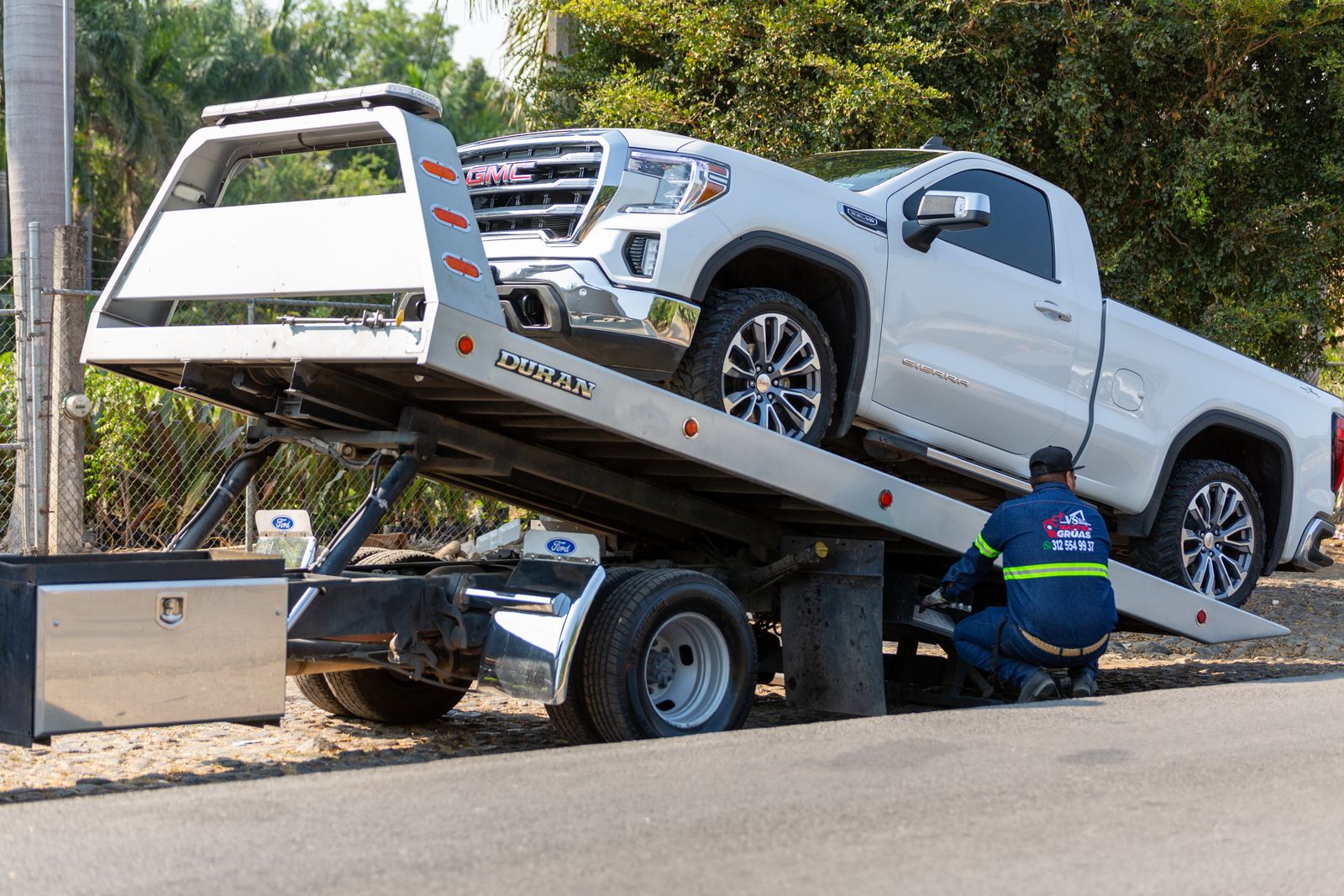
A dead sedan and a broken-down box truck are not the same call, even when both are stuck in the same lane on I-4. Ask the wrong question at dispatch and the wrong truck rolls out, which wastes an hour and can leave a heavy vehicle sitting in traffic even longer. So when do you need a heavy-duty tow truck in Orlando, and when will a standard wrecker do the job? The answer comes down to weight, size, and how the vehicle is stuck. This guide walks through the line between a routine tow and a heavy-duty one so you can make the right call the first time.
Key Takeaways
- Heavy-duty tow trucks are built for Class 7 and Class 8 vehicles, generally those rated above 26,000 pounds.
- Semis, loaded box trucks, buses, dump trucks, and most large motorhomes need heavy-duty equipment, not a light-duty wrecker.
- Using an undersized truck to move an overweight vehicle is unsafe and can run afoul of Florida's axle and gross-weight limits.
- Recovery jobs like an overturned or jackknifed truck need specialized gear such as rotators and air cushions.
- Telling the dispatcher the vehicle's type and rough weight is the fastest way to get the right truck sent the first time.
- Heavy-duty rates run higher than a car tow because the trucks, crew, and time involved are all greater.
What Is a Heavy-Duty Tow Truck?
A heavy-duty tow truck is a wrecker built to lift and haul the largest vehicles on the road, typically those in the top federal weight classes. Where a light-duty truck is rated to move passenger cars and small pickups, a heavy-duty unit carries a much larger boom, winch, and underlift, and rides on a heavier chassis of its own so it can pull tens of thousands of pounds without being overwhelmed.
The federal government sorts trucks into eight weight classes by gross vehicle weight rating, or GVWR. The federal weight-class system tracked by the U.S. Department of Energy groups Class 1 and 2 vehicles, up to 10,000 pounds, as light duty, Classes 3 through 6 as medium duty, and Classes 7 and 8, rated from 26,001 pounds on up, as heavy duty. A heavy-duty tow truck is simply the equipment matched to that top tier.
When Does a Vehicle Need Heavy-Duty Towing?
A vehicle needs heavy-duty towing once its loaded weight or size passes what a light- or medium-duty wrecker can handle safely, which in practice means most commercial trucks and large buses. The clearest signal is weight: if the disabled vehicle sits in Class 7 or 8, it is a heavy-duty job by definition, no matter how routine the breakdown seems.
- Semi-trucks and tractor-trailers, whether loaded or empty
- Large box trucks and full-size moving trucks
- Motorcoaches, school buses, and charter buses
- Most Class A motorhomes and large RVs
- Dump trucks, concrete mixers, and loaded work trucks
- Construction and farm equipment stranded on the roadway
Some vehicles sit in a gray zone. A large pickup pulling a heavy trailer, a loaded delivery truck, or a mid-size RV may need medium-duty equipment rather than a light-duty flatbed. When the weight is uncertain, it is safer to send a bigger truck than to send one that arrives and cannot finish the job.
Why Can't a Standard Tow Truck Handle a Big Vehicle?
A standard tow truck cannot safely move a vehicle that outweighs its rated capacity, and forcing the job risks damage, injury, and a brush with Florida's weight laws. Every wrecker has a maximum load it is engineered to lift and control; exceed it and the tow truck itself can lose braking, steering, or traction with all that weight hanging off the back.
Florida law also caps what any vehicle may put on the road. Florida Statute 316.535 limits a single axle to 20,000 pounds and holds most combinations to a maximum of 80,000 pounds on the interstate. Size is regulated too: Florida Statute 316.515 restricts vehicles to 102 inches wide and 13 feet 6 inches tall, which is why a shifted or toppled load often has to be uprighted and secured before it can legally roll again. A heavy-duty operator plans the lift around those limits; an undersized truck simply cannot.
Stuck with a truck, bus, or RV that a standard wrecker cannot move? Towing Orlando Service runs heavy-duty equipment across Orange County.
Call (407) 250-8672What Heavy-Duty Situations Come Up Around Orlando?
Around Orlando, most heavy-duty calls come from the region's commercial traffic and its tourism fleet. Interstate 4 carries a constant stream of freight through the metro, and a single disabled or jackknifed tractor-trailer in those lanes is a heavy-duty recovery, not a quick hook-and-go. The Central Florida Expressway toll roads, including SR 408, SR 417, and SR 429, see the same mix of delivery trucks and buses moving across the county.
The theme-park economy adds its own heavy vehicles. Charter motorcoaches shuttle visitors between resorts and the parks, and rental motorhomes are common on area highways and campgrounds. When one of those breaks down, blocks a ramp, or slides off a rain-soaked shoulder during a summer storm, it takes heavy-duty lifting and often a full recovery crew to clear the road without adding to the backup.
What Equipment Does Heavy-Duty Recovery Use?
Heavy-duty recovery relies on purpose-built machines that go well beyond a simple tow. A heavy wrecker uses a high-capacity boom and winch to lift a loaded truck, while an integrated unit combines the boom and underlift on one chassis for extra stability. For the hardest jobs, a rotator can swing its boom to the side to right an overturned truck or lift a load out of a ditch from an angle a fixed boom cannot reach.
Crews also carry air cushions to raise a rolled trailer, load-transfer gear to shift freight off a damaged truck, and specialized trailers to haul equipment that cannot roll on its own wheels. That is why a heavy-duty call can involve more than one truck and a longer clearance time: the operator is often recovering the vehicle before there is anything to tow.
What's the Difference Between Medium-Duty and Heavy-Duty Towing?
The difference between medium-duty and heavy-duty towing is the weight tier each is built for, and matching the tier correctly saves both time and money. Medium-duty equipment handles the middle of the range, Class 3 to 6 vehicles such as larger delivery trucks, box vans, and mid-size RVs, while heavy-duty gear is reserved for the Class 7 and 8 machines above it.
Getting the tier right matters because an undersized truck cannot finish the job while an oversized one may cost more than the situation calls for. A common Orlando example is the mid-size motorhome or loaded work van: too big for a light-duty flatbed, but not always in need of a full heavy wrecker, which is exactly the kind of call medium-duty towing is built for. When you are unsure where a vehicle lands, the dispatcher can size the truck from its make, weight, and load.
How Is Heavy-Duty Towing Priced Differently?
Heavy-duty towing costs more than a car tow because the equipment, crew, and time on scene are all larger. Rather than a simple hook fee plus mileage, heavy jobs are frequently billed by the hour and by the equipment used, since a rotator and a multi-person recovery crew cost far more to dispatch than a single light-duty driver. Recovery is among the most equipment-intensive services in the towing trade, and the rates reflect that.
Because there is no flat rate, the smartest move is to describe the vehicle accurately and ask how the company bills, whether by the hour, by equipment, or a combination, before any work begins. A commercial auto policy or motor-club plan may cover part of a heavy tow, so keep an itemized invoice that lists the equipment and hours.
Match the Truck to the Weight Before You Call
The single factor that decides a heavy-duty tow is weight, so the most useful thing you can do is know roughly what your vehicle weighs and say so up front. A Class 7 or 8 vehicle, a loaded commercial truck, a bus, or a full-size motorhome will almost always need heavy-duty equipment, while a mid-size truck or RV may only call for medium-duty. When the weight is a guess, lean toward the larger truck, because a second dispatch costs far more time than sending the right unit once does.
If you are facing a commercial breakdown or a heavy recovery anywhere around Orange County, Towing Orlando Service handles both heavy-duty towing and medium-duty towing and can size the right truck from your vehicle's details.